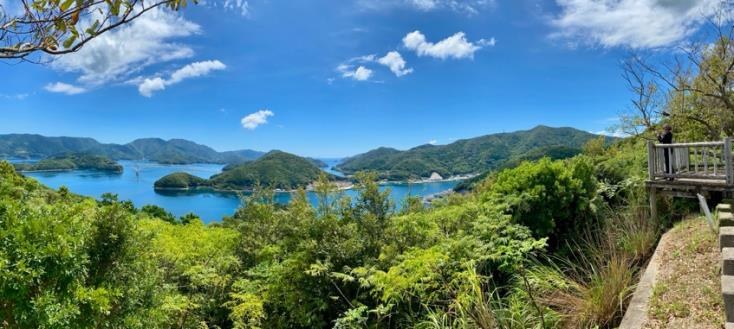
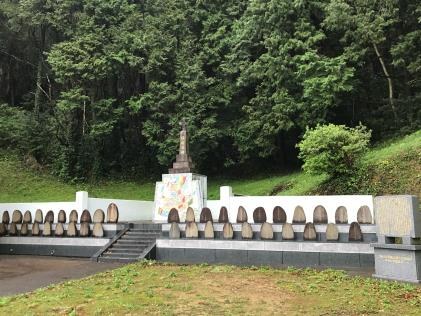
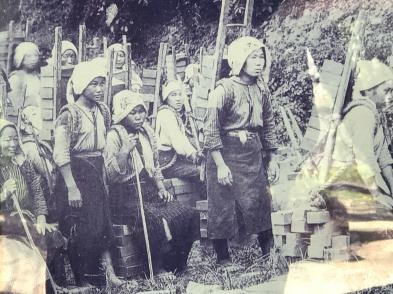
A three-act musical telling the story of the Hidden Christians of the Gotō Islands, who kept the Catholic faith alive in secret for over 250 years. Staged by FCC in the Sacred Heart Campus Chapel in Hiroo, which the school offers us rent free.

“The hearts of all of us here are the same as yours.”
Where is the statue of Santa Maria?
For two and a half centuries the Church in Japan had no priests to keep it alive. Farmers and fishermen kept it alive themselves, by handing it to their children. That is evangelization in its oldest form, and it is the story of the Church in the country where we worship.
Christians are about 1% of Japan. Many of our colleagues, neighbours and friends will gladly come to an evening of music in a chapel, and hear the Gospel sung there.
These were Japanese families on Japanese islands, and their stone churches were designed by a Buddhist builder from Gotō. The show reaches a Japanese audience through their own history, checked by a historian.
From medieval mystery plays to Oberammergau, where a village has staged the Passion every ten years since 1634, the Church has told its story on stage. Pope Francis calls this the way of beauty.
Each particular Church should encourage the use of the arts in evangelization.Pope Francis, Evangelii Gaudium 167
In 1597 six Franciscan friars were crucified at Nagasaki with twenty companions. Among them was St. John of Gotō, a 19-year-old catechist and the only saint born on these islands. A Franciscan parish telling this history is telling its own.
Many of us worship in Japan without knowing how the Church here survived. The show gives our parishioners, and their children, the story of the Church they belong to.
The composer, the story, the history and the coordination all come from FCC. The cast, choir and crew will too, with rehearsals at FCC at no cost.
Sacred Heart offers its chapel rent free, saving the rental of the old plan. A librettist who spent a month in Nagasaki's Christian villages is ready to begin. Phase 1 secures both.
The reach can be measured. Every guest registers in advance at FCC, so the registration card tells us who came and who wants to hear more.
We bring these numbers back to this committee after the performance, alongside the final accounts.
Daichi, a young fisherman, is forced to step on a sacred image at the annual fumie. Shaken, he drifts away, until a young woman's quiet faith brings him home to a faith he now chooses for himself.
News of the Ōura discovery divides the village between hope and caution. Persecution follows: a hiding place in a sea cave, a fire that gives them away, arrest, and exile. Daichi hears what happened on Hisaka Island.
The survivors return. A French missionary helps them rebuild, and the community is torn over rejoining the Church. The stone church rises anyway, built by all of them, and old Daichi carries his mother's Maria Kannon inside.
Most of it is volunteer. No fee is budgeted for the composer, director, cast, choir or organisers. The only paid role is the librettist.
| What comes back | ||
|---|---|---|
| Donations ( guests) | ||
| Merchandise | ||
| Total back |
Pope St. Paul VI wrote that the Church exists in order to evangelize
. This show proclaims the Gospel in a form our Tokyo neighbours will accept an invitation to, and forms our own people along the way.
The school confirms its 2027 calendar in March 2027. Until then only Phase 1, , is committed, and the libretto it pays for can be staged on another date.
Guests register in advance, so we see demand weeks ahead and report it. This history already draws people: Gotō's Hidden Christian villages are World Heritage, and Endō's novel Silence, set in this history, became a Scorsese film in 2016.
The parish advances the funds, and guests' donations and sponsorship are raised to repay them. Each later phase comes back to this committee with the numbers before it is released.
Costumes and wigs, a built set, staging, lighting and sound for the chapel, marketing and playbills, with held for what cannot be priced yet.
The librettist and the thank-you donation to the school, with a 10% buffer. This is the only money committed before the date is confirmed.
March 2027, when the school confirms the date and the room; and mid-2027, when the cast is set. Each comes back to you with fundraising and costs first.

When the ban was lifted, the people of Gotō built their churches with their own hands. We are asking our parish to help tell their story.